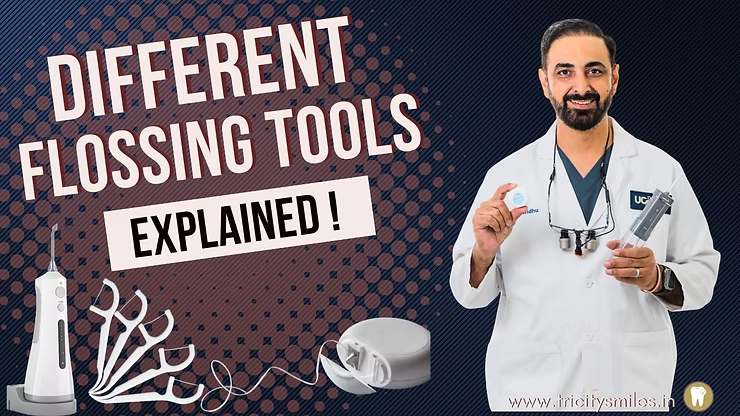
Many patients know they should clean between their teeth but feel unsure about which flossing tool to use. With so many options available today, choosing the right one can feel confusing.
The truth is: there is no single “best” flossing tool for everyone. The ideal option depends on your tooth spacing, gum health, dental work, and comfort level.
At Tricity Smiles Dentistry, we guide patients to the right interdental cleaning tool, not just any tool.
Why Flossing Tools Matter
Toothbrushes clean only the front, back, and chewing surfaces of teeth.Interdental areas ,the spaces between teeth and just below the gumline need dedicated tools.
Using the right flossing tool helps:
- Remove plaque where cavities often begin
- Prevent gum inflammation and bleeding
- Reduce bad breath
- Protect dental restorations
- Maintain long-term gum and bone health
Common Flossing Tools Used Today
The most commonly recommended flossing tools include:
- Traditional string floss
- Floss picks
- Water flossers (oral irrigators)
- Interdental brushes
Each serves a specific purpose.
1️⃣ Traditional String Floss
What It Is
A thin nylon or PTFE thread used to clean between tightly spaced teeth.
Best Indications
- Adults with tight tooth contacts
- Healthy gums with minimal recession
- Natural teeth without large gaps
How to Use
- Cut about 18–20 inches of floss
- Wrap around middle fingers
- Guide gently between teeth
- Curve into a “C” shape around the tooth
- Slide slightly under the gumline
- Use a clean section for each space
Advantages
- Highly effective when used correctly
- Reaches tight contact points
Limitations
- Technique-sensitive
- Difficult for patients with limited dexterity
- Less effective in wide spaces
2️⃣ Floss Picks
What They Are
Pre-threaded plastic holders with a short piece of floss.
Best Indications
- Children learning to floss
- Adults with limited hand coordination
- Patients who struggle with traditional floss
How to Use
- Gently slide the floss between teeth
- Curve around each tooth surface
- Avoid snapping into the gums
Advantages
- Easy and convenient
- Improves compliance, especially in children
Limitations
- Less adaptable than string floss
- Can encourage forceful technique if misused
3️⃣ Water Flossers (Oral Irrigators)
What They Are
Devices that use a pressurized stream of water to clean between teeth and along the gumline.
Best Indications
- Orthodontic braces
- Fixed retainers
- Dental implants
- Crowns and Bridges
- Periodontal (gum) pockets
- Sensitive gums
- Limited manual dexterity
How to Use
- Fill the reservoir with water
- Start on a low pressure setting
- Aim at a 90° angle to the gumline
- Trace along gum margins and between teeth
Advantages
- Disrupts plaque and biofilm in gum pockets
- Gentle on sensitive tissues
- Helpful for patients with appliances
Limitations
- Does not fully replace mechanical flossing
- Less effective alone for tight contacts
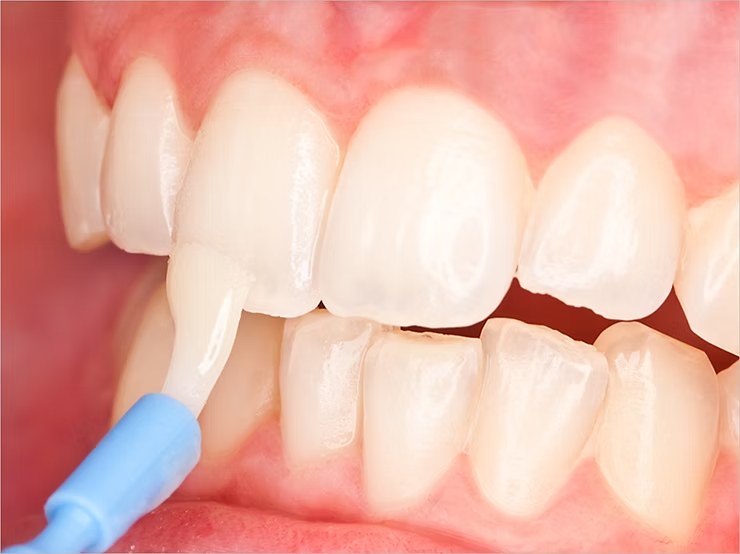
4️⃣ Interdental Brushes
What They Are
Small cone or cylinder-shaped brushes designed to clean open spaces between teeth.
Best Indications
- Gum recession
- Open embrasures (“black triangles”)
- Periodontal bone loss
- Bridges or wide interdental spaces
How to Use
- Select the correct brush size
- Insert gently between teeth
- Move back and forth without forcing
- Rinse after each use
Advantages
- Superior plaque removal in open spaces
- Easy to use once sized correctly
Limitations
- Incorrect sizing can injure gums
- Not suitable for tight contacts
🚫 Common Cleaning Methods People Use That Are NOT Recommended
Many patients use everyday objects to clean between teeth, believing they are harmless. Unfortunately, these methods can damage gums and worsen oral health.
❌ Toothpicks or wooden sticks
Can cut gums, push food deeper under the gumline, and worsen recession.
❌ Pins, safety pins, needles
Risk of serious gum injury, infection, and enamel damage.
❌ Paper, matchsticks, hairpins
Rough edges traumatize gums and do not remove plaque.
❌ Hard plastic sticks or card edges
May create spacing between teeth and damage restorations.
❌ Aggressive brushing between teeth
Does not clean properly and can cause gum recession.
👉 These methods remove food temporarily but do not remove plaque — the real cause of cavities and gum disease.
What We Recommend at Tricity Smiles Dentistry
At Tricity Smiles Dentistry, we:
- Evaluate tooth spacing and gum health
- Demonstrate proper flossing techniques chairside
- Recommend the right tool or combination of tools
- Modify recommendations as gum health changes
There is no one-size-fits-all approach — personalization matters.
What Patients Notice After Using the Right Flossing Tool
- Less gum bleeding
- Fresher breath
- Healthier-looking gums
- Fewer cavities between teeth
- Better comfort during cleaning
Related Services at Tricity Smiles Dentistry
- Oral prophylaxis (scaling & polishing)
- Gum health evaluation
- Oral hygiene coaching
- Preventive dentistry
About Dr. Sandhu & Tricity Smiles Dentistry
Dr. Sandhu is a US-trained dentist with over 20 years of experience, focusing on preventive and patient-centered dental care.
At Tricity Smiles Dentistry, we believe the right tools, proper education, and consistency are the foundation of lifelong oral health.
📍 House No. 109, Sector 28-A, Chandigarh
📞 +91-7686828000
📍 https://maps.app.goo.gl/WQGZKryUBPBN954F9
❓FAQs
- Is one flossing tool better than the others?No. The best tool depends on your teeth, gums, and dental work.
- Can I rely only on a water flosser?It helps, but mechanical cleaning is still important.
- Should children floss?Yes — floss picks are often easiest for children.
- Can interdental brushes replace floss?They are better for open spaces but not tight contacts.