


The short answer
Yes. Most children can start using an electric toothbrush at about age 3, as long as a parent supervises and finishes the brushing. Before age 3, a soft manual brush is the better choice. A child's model with soft bristles, a small head and a timer is gentle on baby teeth, and it often helps children brush for longer.
- Under 3: a soft manual brush, used by a parent twice a day, with a rice-grain smear of fluoride toothpaste.
- 3 to 6: a child's electric brush is fine. Let your child brush first, then finish the job yourself.
- 7 to 12: either type works. An electric brush helps most if your child rushes, or has braces or crowded teeth.
At what age can a child use an electric toothbrush?
From about age 3. Before that the mouth is small and a parent does the brushing, so a soft manual brush gives you the most control. Here is what to use at each age.
Under 3 years
- A soft-bristled manual brush with a small head and a thick handle.
- A parent brushes the child's teeth twice a day.
- A smear of fluoride toothpaste, about the size of a grain of rice.
3 to 6 years
- You can introduce a children's electric toothbrush, ideally one made for gentle, slow rotations.
- Look for a built-in timer and soft rubberised bristles.
- Supervise every time: let your child brush first, then finish for them.
7 to 12 years
- An electric brush often helps children brush for longer and more consistently.
- With braces or crowded teeth, a powered brush cleans around brackets and into tight spaces more easily.
- A manual brush still works well if the technique is good, so the choice comes down to what your child will use every day.
Is an electric toothbrush better than a manual one for children?
Both clean well when they are used properly. The difference is how much work the hand has to do, and how willing your child is to keep going for two minutes.
| Manual toothbrush | Electric toothbrush | |
|---|---|---|
| How it cleans | Your hand makes the movements and holds the angle | A rotating or sonic head does most of the work |
| Plaque removal | Effective when the technique is good | Often removes more plaque, especially for children who find the movement hard |
| Motivation | Can feel like a chore | Music, lights and timers make it more fun for many children |
| Age | Any age, and the first choice under 3 | From about 3, with supervision |
| Upkeep | Easy to replace | Needs charging or batteries, and new brush heads |
Removing more plaque does not by itself prevent cavities. That still depends on fluoride, diet and how regularly the teeth are brushed.
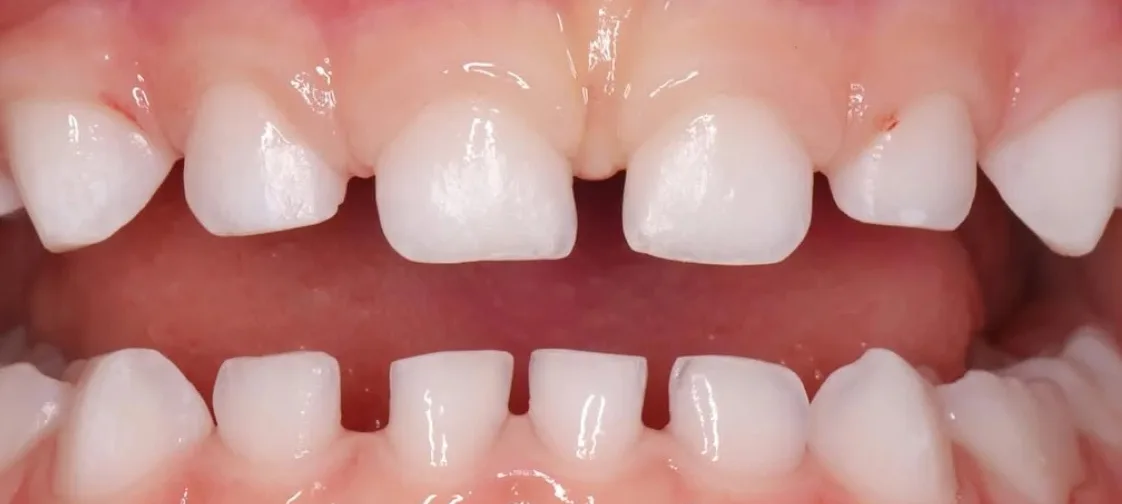
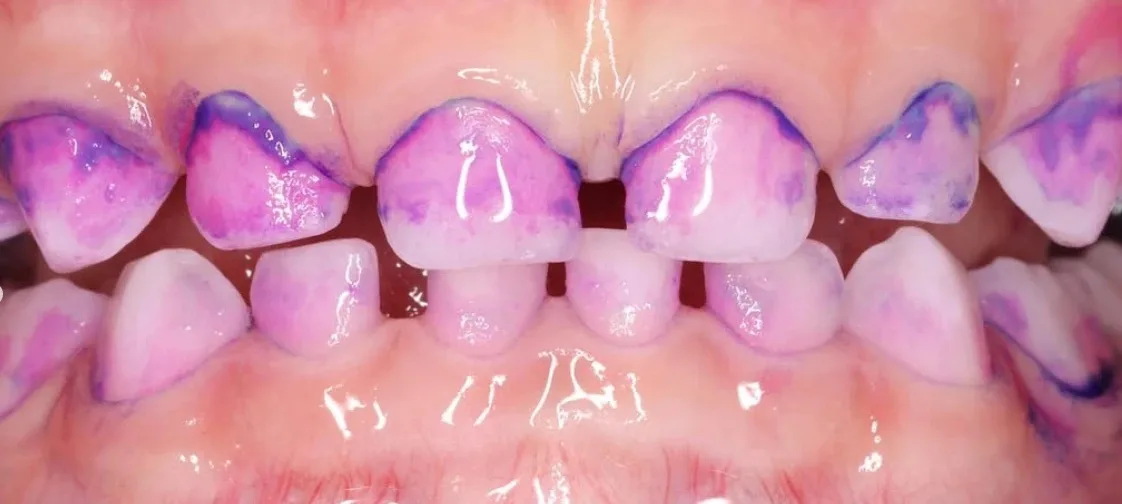
Whichever brush you choose, the gum line and the spaces between the teeth are where plaque is most often missed. A professional clean with fluoride varnish removes what the brush leaves behind and strengthens the enamel.
What should I look for when buying a child's toothbrush?
- Soft bristles, never medium or hard.
- A small brush head that fits your child's mouth.
- A brush from a known dental brand.
- A two-minute timer, which most electric models have.
- A design or character your child likes, so brushing feels like their own.
How should my child brush, whichever brush you use?
- Two minutes, twice a day.
- Fluoride toothpaste in the right amount for their age. Our guide to choosing a family toothpaste shows how much at each age.
- Replace the brush or brush head every 3 months, or sooner if the bristles fray or after an illness.
- Help or supervise until your child can tie their own shoelaces, usually around age 8.
For the technique itself, from wiping a baby's gums to brushing alone, see how to brush your child's teeth at each age.
What else keeps a child's teeth free of cavities?
At home:
- Keep sticky and sugary snacks to mealtimes, not between meals. Some snacks are kinder to teeth than others.
- Encourage a drink of water or a rinse after snacks.
- Start flossing once the teeth begin to touch.
At the clinic:
- A check-up and cleaning every 6 months, which also keeps good habits going.
- Professional fluoride treatment to strengthen the enamel.
- Sealants on the back molars, to protect the grooves where early cavities often start.
This article is general information and does not replace an examination. What is right for your child depends on their own teeth and health.