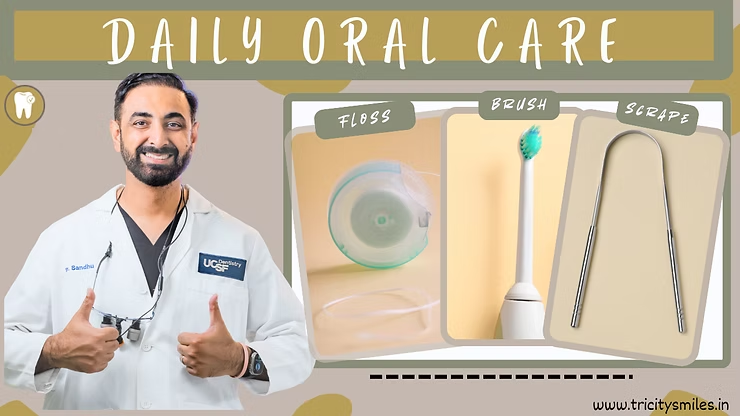
Good oral hygiene isn’t about doing more, it’s about doing the right steps, in the right order, consistently. A clear morning and night routine protects your teeth, gums, and dental work over the long term.
At Tricity Smiles Dentistry, we encourage simple, evidence-based habits that fit easily into daily life and are sustainable for the long run.
Daily Oral Hygiene Routine (Morning & Night)
🪥 Your Ideal Oral Hygiene Schedule
| Time | Step | What to Do | Why It Matters |
| Morning | Step 1 | Brush with fluoridated toothpaste | Removes overnight plaque and bacteria |
| Step 2 | Clean the tongue | Reduces bacteria and morning bad breath | |
| Night (Most Important) | Step 1 | Floss | Cleans between teeth where brushes can’t reach |
| Step 2 | Brush | Cleans tooth surfaces and gumline | |
| Step 3 | Clean the tongue | Reduces bacterial load overnight |
👉 Correct sequence (especially at night):Floss → Brush → Clean Tongue
Flossing before brushing allows fluoride toothpaste to reach between teeth more effectively.
Key Clarifications Patients Commonly Ask
🧵 Should you floss before or after brushing?
✔ Before brushing, especially at night.
☕ Should you brush before or after breakfast?
✔ Ideally before breakfast.If brushing after tea or coffee, wait 30 minutes to protect the enamel.
🌙 Why is night-time brushing so important?
✔Saliva flow reduces at night. Leaving plaque or sugars on teeth overnight significantly increases cavity and gum disease risk.
🥥 Does oil pulling help oral hygiene?
✔Oil pulling may slightly reduce oral bacteria, but it does not replace brushing, flossing, or professional care. It can be optional, not essential.
Should you use mouthwash daily?
✔Not always. Mouthwash is supportive, not mandatory, and medicated rinses should be used only on dental advice.
Why Oral Hygiene Practices Matter
Consistent oral hygiene:
- Prevents cavities and gum disease
- Reduces bleeding and inflammation
- Controls bad breath
- Protects bone support around teeth
- Extends the life of fillings, crowns, bridges, and implants
- Reduces the need for complex dental treatments
Small daily habits prevent big problems later
Common Mistakes to Avoid
❌ Brushing too hard
❌ Skipping flossing
❌ Using toothpicks or sharp objects
❌ Rinsing aggressively immediately after brushing
❌ Eating or drinking (except water) after night brushing
❌ Ignoring bleeding gums
Healthy gums should not bleed regularly.
Smart Daily Tips That Make a Big Difference
- 💧 Swish with water after meals to reduce acids and sugars
- 🍬 Limit frequent sugar intake, especially sticky snacks
- 🪥 Use a soft-bristled toothbrush and replace it every 3 months
- 🦷 Schedule regular dental check-ups and professional cleanings
- 🚭 Avoid tobacco, it significantly increases gum disease risk
A Little Motivation
- 🦷 Healthy smiles are built daily, not occasionally
- ⏱ Five minutes a day can save years of treatment
- 🌱 Consistency beats perfection
- ⭐ Your future smile depends on today’s habits
About Dr. Sandhu
Dr. Sandhu is a US-trained dentist with over 20 years of clinical experience, known for his strong emphasis on preventive dentistry, patient education, and long-term oral health maintenance.
At Tricity Smiles Dentistry, Dr. Sandhu believes that the foundation of good dentistry begins at home, through correct daily oral hygiene practices. His approach focuses on:
- Teaching simple, practical routines patients can actually follow
- Preventing disease rather than treating advanced problems
- Helping patients preserve their natural teeth, gums, and dental restorations for life
Patients appreciate his calm communication, clear explanations, and emphasis on prevention over intervention.
📍 House No. 109, Sector 28-A, Chandigarh
📞 +91-7686828000
📍 Google Maps: https://maps.app.goo.gl/WQGZKryUBPBN954F9
FAQs
- Is brushing twice a day enough?No. Cleaning between teeth (flossing) is equally important.
- Is occasional bleeding normal?Mild bleeding may occur initially, but persistent bleeding needs dental evaluation.
- Can mouthwash replace brushing or flossing?No. It only supports mechanical cleaning.
- Do people with crowns or implants need special care?Yes. Interdental cleaning and regular maintenance are essential.