Did you know that nearly 75% of pregnant women experience gum inflammation during pregnancy? It’s more than just swollen, bleeding gums; it could impact your baby’s health, too.
Pregnancy brings amazing changes, but it also leaves gums vulnerable to inflammation and infection. What if a simple oral care routine and timely dental visits could protect both your smile and your baby’s well-being?
Read on to understand why pregnancy gingivitis deserves your attention and how Tricity Smiles, Chandigarh supports you through this journey.
Understanding Pregnancy Gingivitis: More Than Just Swollen Gums
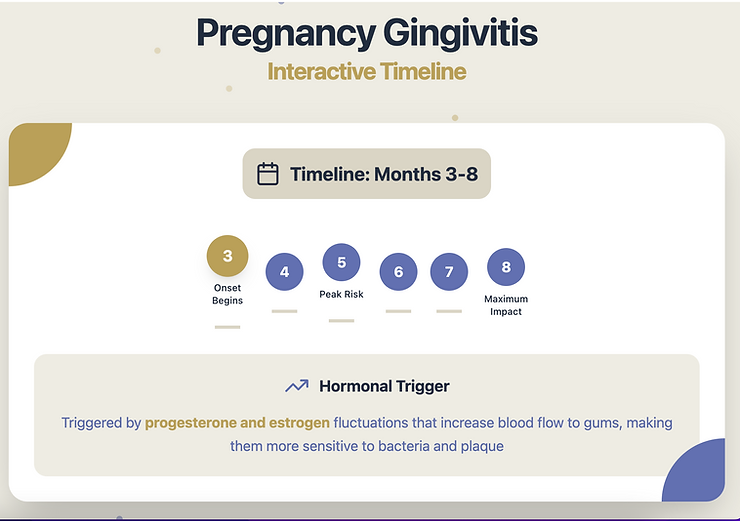
Pregnancy gingivitis is a common issue, affecting 60% to 75% of expectant mothers worldwide¹. This gum inflammation is triggered by hormonal fluctuations, mainly progesterone and estrogen, that increase blood flow to the gums, making them more sensitive and reactive to dental plaque. Even a small amount of plaque, usually harmless, can cause significant swelling, redness, and bleeding in pregnant women’s gums.
This inflammation typically begins between the third and eighth month of pregnancy and may escalate if untreated. While many women experience mild discomfort, some face severe gum swelling and bleeding that can impact daily life.
The Hidden Risks: How Gum Inflammation Can Affect Your Baby
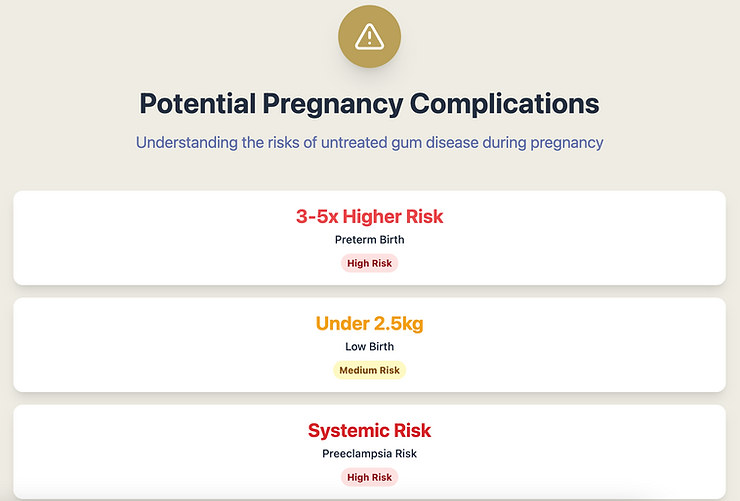
Unaddressed gum inflammation isn’t just an oral health issue; it can have serious consequences for pregnancy outcomes. Research links maternal gum disease with increased risks of:
| Pregnancy Complication | Link to Gum Disease |
| Preterm Birth | Inflammatory markers may trigger early labor¹ |
| Low Birth Weight | Infection and inflammation impact fetal growth¹ |
| Preeclampsia | Gum bacteria linked to systemic inflammation² |
Women with periodontitis or severe gingivitis have been shown to have higher chances of delivering prematurely or having babies with low birth weight³, making gum care a crucial part of prenatal health.
Spotting the Signs Early: Don’t Ignore These Symptoms
Awareness is the first step to prevention. Negative gum symptoms during pregnancy often include:
| Symptom | Possible Cause | Recommended Action |
| Bleeding while brushing | Gingival inflammation | Switch to soft brush, gentle flossing, consult dentist |
| Swollen, tender gums | Hormonal sensitivity | Maintain oral hygiene, monitor for worsening symptoms |
| Redness of gums | Inflammation | Use alcohol free mouthwashes, schedule a dental visit |
| Persistent bad breath | Bacterial buildup | Increase brushing frequency, consult your dentist for a professional cleaning |
Early recognition and action can prevent progression to more serious issues and protect your smile and pregnancy.
Daily Oral Care During Pregnancy: Small Habits, Big Impact
Simple oral care routines can make a world of difference:
| Safe Practices | Common Mistakes |
| Brush twice daily with fluoride toothpaste | Using hard toothbrushes that damage gums |
| Floss gently once daily | Skipping flossing due to bleeding |
| Use alcohol-free mouth rinses | Using alcohol containing mouthwashes |
| Maintain hydration and a balanced diet | Consuming high high-calorie diet and sugary snacks |
Morning Sickness: Protecting Enamel from Damage
Vomiting from morning sickness exposes teeth and gums to stomach acid, which can erode enamel and worsen gum sensitivity. Studies show over 50% of pregnant women experience enamel erosion linked to morning sickness⁴.
To protect your teeth:
- Rinse mouth with plain water or a fluoride mouth rinse right after vomiting.
- Avoid brushing immediately post-vomiting; wait 30 minutes to prevent further enamel wear.
- Consider a soft-bristle brush and toothpaste formulated for sensitive teeth.
Preventive Measures Beyond Pregnancy: Setting the Stage for Long-Term Oral Health
Maintaining gum health during pregnancy sets you up for success postpartum. Without care, up to 40% of women may experience worsening gum problems after birth⁵.
Continue regular dental visits during breastfeeding and maintain oral hygiene routines to protect your smile as you care for your newborn.
Patient Story Tricity Smiles – Testimonial “During my pregnancy, I noticed my gums bleeding and swelling for the first time. Tricity Smiles guided me gently through safe treatments and showed me simple habits that made a huge difference. Now my smile — and my baby — are healthier than ever.” — Anjali K., Chandigarh
Don’t let gum inflammation steal your smile or peace of mind during pregnancy. Book a consultation with Tricity Smiles today to receive personalized, gentle care in the heart of Chandigarh.
Author Bio: Dr. Sandhu brings years of expertise in comprehensive dental care to the Tricity area. With advanced training in family dentistry and a special focus on women’s oral health needs, Dr. Sandhu provides gentle, expert care for expectant mothers. His patient-centered approach ensures that each pregnant patient receives safe, effective treatment tailored to their specific needs and pregnancy stage. At Tricity Smiles, Dr. Sandhu combines the latest dental techniques with compassionate care to help families maintain optimal oral health throughout every stage of life.