

The short answer
Teeth feel sensitive when dentine, the layer under the enamel, is exposed by worn enamel, gums that have pulled back, grinding, a cavity or a crack. A sensitivity toothpaste used twice a day helps many people, though it needs regular use before it works. Sensitivity in one tooth, pain that lingers or pain on biting needs a dentist to look.
- Brief twinges in several teeth are usually exposed dentine.
- Pain in one tooth, or pain that stays after the cold has gone, can mean a cavity, a crack or an inflamed nerve.
- Sensitivity after whitening or a cleaning is common and is usually temporary.
What makes teeth sensitive to cold or sweets?
Enamel covers the crown of each tooth, and the gum covers the root. Underneath both is dentine, which is full of tiny channels that lead toward the nerve. When dentine is uncovered, cold, sweet, acidic or sticky things reach the nerve through those channels, and you feel a short, sharp twinge.
| Cause | What you may notice | What usually helps |
|---|---|---|
| Worn enamel | Several teeth, often the front ones; flat or shiny worn patches. Acidic drinks and hard brushing add to it. | Gentler brushing, fewer acidic drinks between meals, fluoride; bonding where wear is deep |
| Exposed roots | A twinge right at the gum line, where the gum has pulled back | Treating gum disease, sensitivity toothpaste, a tooth-coloured covering; sometimes a gum graft |
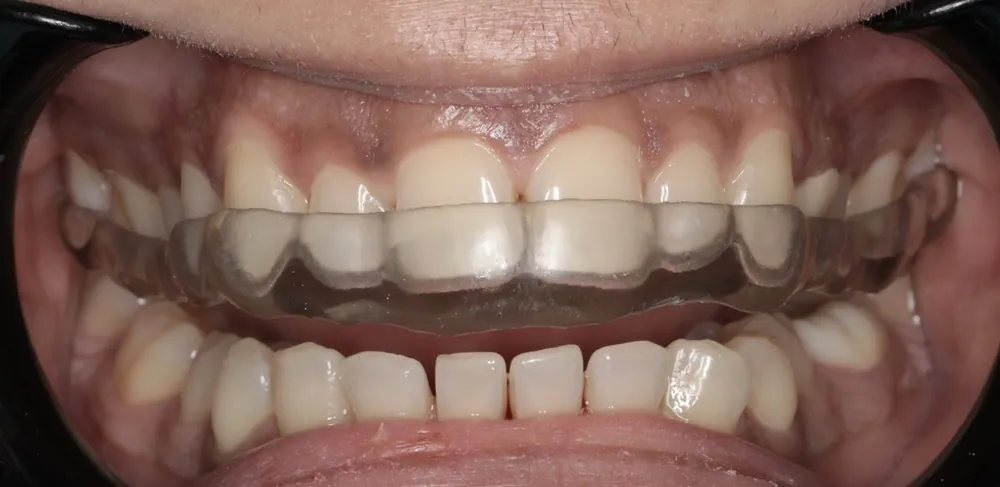
| Grinding or clenching | Worn, flat or chipped edges; a tired jaw in the morning | A night guard |
| A cavity or a crack | One tooth, often set off by sweets, or a sharp pain on biting | A filling, bonding or a crown |
| A worn or leaking filling | One tooth, around an old filling | Replacing the filling |
| After whitening or a cleaning | Several teeth, for a short time afterwards | Usually settles on its own; sensitivity toothpaste helps |
Gums pull back for several reasons, including brushing too hard and gum disease. If your gums also bleed or look swollen, our gum disease treatment page explains the signs and what is done.
Could my sensitive tooth be a cavity or a crack?
It could, especially when one tooth reacts and its neighbours do not. Decay softens enamel and opens a path to the dentine, so sweets often set it off first. A crack can hurt on biting, or as you release the bite. Both get worse with time, and both are easier to fix early. Our article on the stages of tooth decay shows how sensitivity can be an early warning, and a small cavity can usually be repaired with a tooth-coloured filling.
If the pain throbs, lasts for minutes after the cold has gone or wakes you at night, the nerve may be inflamed. That is a toothache rather than simple sensitivity: see what to do about a toothache.
Can grinding my teeth make them sensitive?
Yes. Grinding and clenching, often during sleep, wear the enamel off the biting edges and can chip or crack teeth, which leaves dentine exposed. Many people do not know they grind until a partner hears it or a dentist sees the wear. A morning jaw ache or headache is another clue. A custom night guard takes the force off the teeth while you sleep.
Is sensitivity after whitening or a cleaning normal?
Yes, it is common. Whitening gel opens the tooth's surface for a short time, and a cleaning removes the tartar that had been covering parts of the root. Both can leave teeth sensitive for a while. It is usually temporary. Starting a sensitivity toothpaste before whitening often helps. If the sensitivity is getting worse rather than better, or it sits in one tooth, tell us.
What can sensitivity toothpaste do, and what can it not do?
A sensitivity toothpaste either blocks the open channels in the dentine or calms the nerve's response. It can:
- reduce the twinges from cold, sweet and acidic food when the cause is worn enamel or exposed roots
- work better with regular use twice a day; the American Dental Association notes it usually takes several uses before it helps
- help more if you spit out the foam without rinsing, and rub a little onto the sensitive spot at night
It cannot fill a cavity, close a crack, replace a leaking filling or treat gum disease. It can also hide those problems for a while by dulling the warning. If you need it for more than a few weeks, have the cause checked. Our guide to choosing a toothpaste covers fluoride and what to look for on the tube. Very abrasive whitening toothpastes can make worn enamel more sensitive, so avoid them if your teeth already react.
When should I see a dentist about sensitive teeth?
What can a dentist do for sensitive teeth?
The first step is finding the cause. At a full dental examination Dr. Sandhu checks each tooth, tests which ones react to cold, looks at your gums and bite, and takes X-rays where needed. Treatment then depends on what is found:
- a fluoride varnish or desensitising coating painted onto the exposed areas
- a tooth-coloured filling or bonding to cover worn areas or exposed roots
- repairing a cavity, a crack or a leaking filling
- gum treatment where gum disease has exposed the roots
- a night guard for grinding
- root canal treatment, only in the uncommon case where the nerve is inflamed beyond repair
How can I stop my teeth becoming sensitive again?
Brush gently twice a day with a soft brush and a fluoride toothpaste. Keep acidic drinks such as cola, juice and nimbu pani to mealtimes rather than sipping them through the day, and do not brush straight after them, while the enamel is softened. Wear your night guard if you grind. A regular check-up catches enamel wear, receding gums and small cavities before they start to hurt.
This article is general information and does not replace an examination. What is right for you depends on your own teeth and health.